Our Services
Social Communication
Coaching
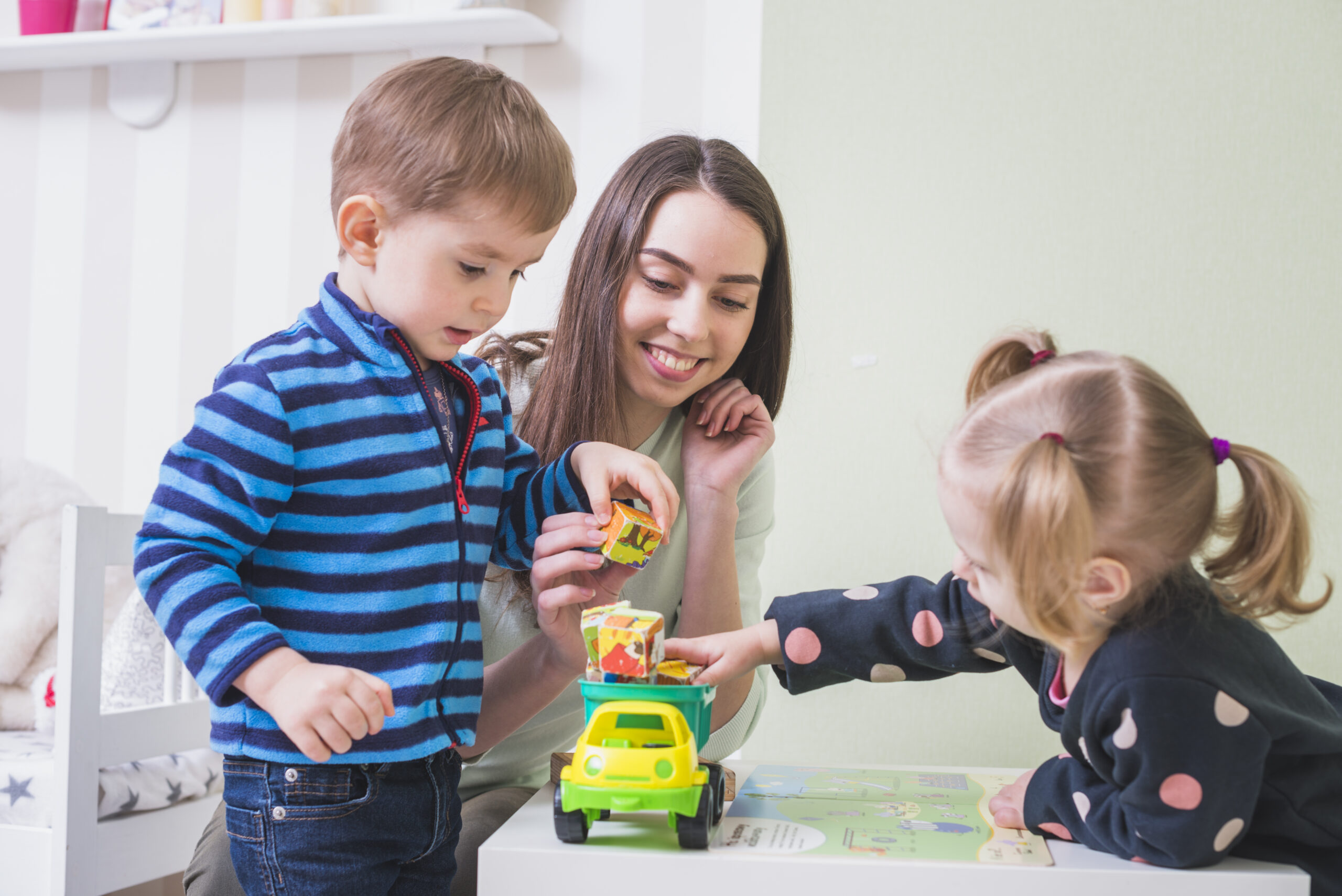
Helping Children Build Meaningful Connections — Their Way At Pacific, our Social Communication Coaching supports neurodivergent children in developing authentic, confident social interactions. We embrace their individual strengths and communication styles, rather than enforcing rigid social rules.
This service is ideal for children with:
- Autism Spectrum Disorder (ASD)
- ADHD or attention regulation challenges
- Social anxiety or selective mutism
- Difficulty reading social cues
- Trouble making or maintaining friendships
We use evidence-based programmes such as:
- Social Thinking by Michelle Garcia Winner
- Talkabout Social Skills by Alex Kelly
- UCLA PEERS® by Dr Elizabeth Laugeson
What We Focus On:
- Self-awareness and emotional regulation
- Self-advocacy (expressing needs and boundaries)
- Flexible communication (verbal, non-verbal, visual)
- Perspective-taking and understanding social context
- Building confidence in peer play and group settings
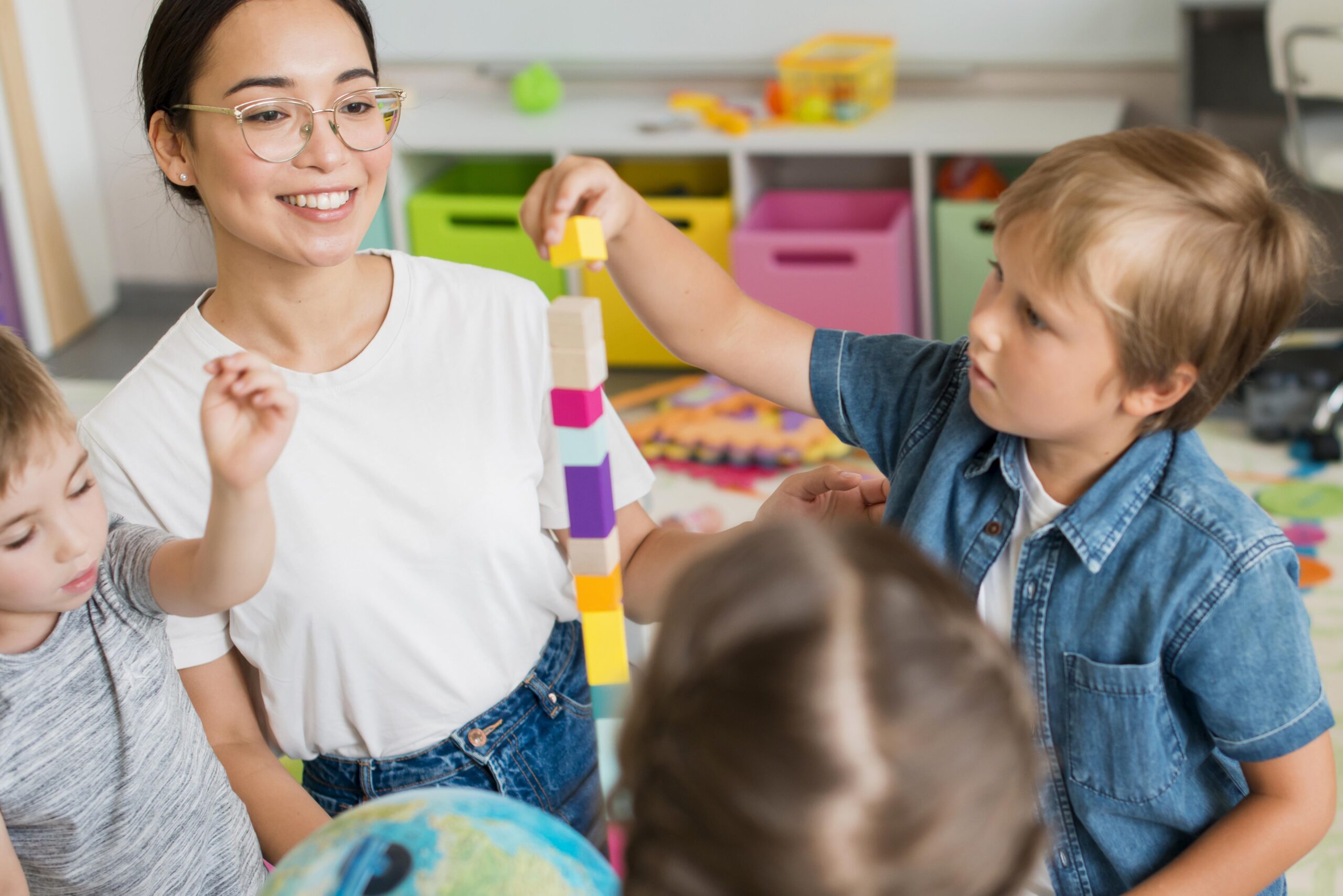
Sessions are interactive and fun, incorporating play-based activities, role-play, video modelling, group practice and positive reinforcement.
Let’s support your child in connecting confidently — on their terms. Book a free consultation with our team.
Frequently Asked Questions (FAQs)
What’s the difference between speech therapy and social coaching?
Social coaching are normally done in paired or group sessions. Sometimes, one to one sessions are needed inn the beginning inn order to assess the child’s level of communication. Social communication coaching focuses more on the child’s social – emotional and behavioural concerns. This includes real-life interactions, such as making conversation, understanding body language, making friendships and assertiveness. Speech Therapy focuses on speech and language skills of the child including speech clarity, comprehension and expressive skills.
Is this only for autistic children?
No. It’s also helpful for all children who may need help in their social- emotional skills. This includes children with ADHD, anxiety, or general social skill gaps.
How do you teach social skills?
We use different curriculums that includes role play, video modelling, peer simulation, games, social stories, and feedback-based sessions. We use interactive activities during sessions where children have fun!
Can shy or even talkative children still benefit?
Yes. Social Communication Coaching is applicable to all children who are experiencing challenges in their social skills.
Will this help with classroom confidence?
Yes, definitely. Social coaching helps children become more aware of themselves and feel more comfortable talking and playing with classmates. It builds confidence in group settings like the classroom.